
Liuhebafa Lu Gui Yao Association (Hong Kong registered society) · Central
Liuhebafa & Taijiquan — A Two-Year Programme
Long hours at a desk leave the body braced: shoulders tight, breath shallow, weight not settled into the feet. Over two years this programme rebuilds the way you stand and move, through standing practice, breath work and slow form work. Liuhebafa and Taijiquan are taught by two instructors, each leading one art.
Two years · Two instructors · Central, Hong Kong
Training for the body
Internal martial arts are not about how a form looks. They are about how the body is used: feet on the ground, movement led from the waist and hips, breath that is not forced. The movements are slow so that you have time to notice — where you use too much force, and where nothing is moving at all.
01 Stability
Feet first
Standing and basic stepping come first: weight returns to the whole foot, and the knees and lower back stop absorbing load they were never meant to carry.
02 Release
Slow is how it is learned
When the movement slows down, shoulders, hips and breath have a chance to work together. The aim is release, not effort.
03 Time
Two years is the time a body needs
Habits change through repetition. A two-year span lets practice settle into ordinary life instead of ending after a few enthusiastic weeks.
Two arts
Liuhebafa and Taijiquan are both internal arts with different emphases: one open and continuous, one relaxed, slow and round. Studied together they complement each other.
Liuhebafa
Open and continuous
Also known as the Water Form. It works through the inner three harmonies, the outer three harmonies and the eight methods. Each part of the body follows the one before it, so the back, shoulders and hips move together — something you feel after a long day at a desk.
Instructor: Chris Lo
Taijiquan
Relaxed, slow, round
Standing practice builds stability; the form builds continuity. The work is to keep the movement slow and unbroken while the body stays coordinated and the breath stays natural — explained through mechanics, so you understand why the body moves the way it does.
Instructor: Edmond Yeung (Accredited Instructor, The Hong Kong Tai Chi Association)
The two years
Two stages: structure first, then continuity.
Year one
Building structure
Standing, fundamentals and single movements. Feet planted, knees tracking properly, movement led by the hips — the way you stand and walk begins to change.
Year two
Continuity and depth
Single movements are joined into the full form, kept continuous at slow speed, with breath and movement coordinated.
Progress is adjusted to each student. This is health-oriented practice, not medical treatment; please mention any injury or condition in the enquiry form.
Instructors
Chris Lo
Leads the Liuhebafa sessions, starting from standing and single movements, with attention to continuity and body structure.
Liuhebafa
Edmond Yeung
Leads the Taijiquan sessions from standing practice, with attention to stability, whole-body coordination and breath. Movement is explained through mechanics — how weight shifts, how force travels through the body, and how joint angles and structure affect each other — so students understand the reasoning instead of copying shapes.
Taijiquan · Accredited Instructor, Hong Kong Tai Chi Association
Registered Philosophical Counsellor · HKPPA/APPA
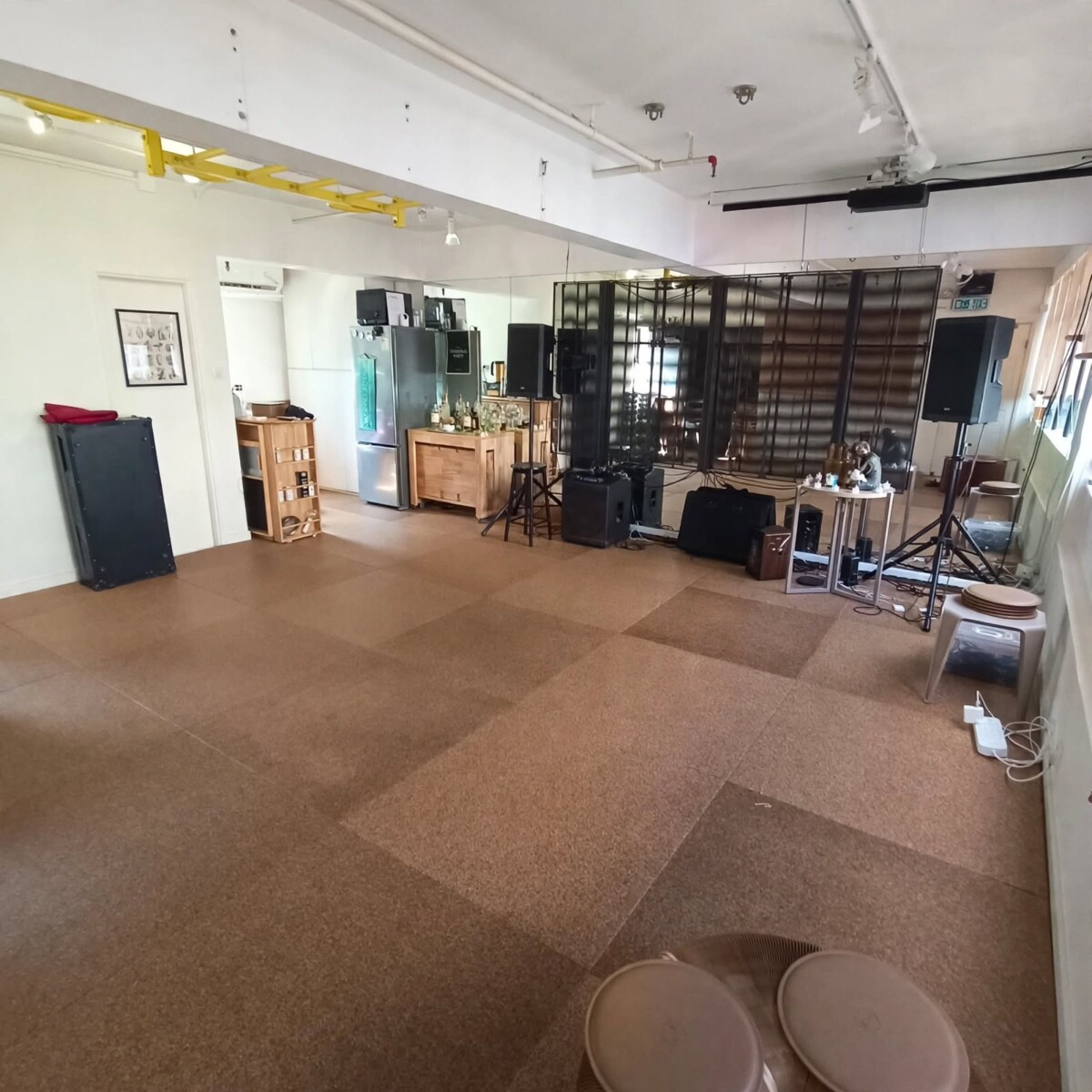
Where we practise
18/F, Fu Wai Commercial Building, 140-142 Des Voeux Road Central, Hong Kong
The building entrance is on Gilman’s Bazaar.
Fees and enquiries
Course fees and payment arrangements are not published on this page. Please use the form below and we will reply by email or phone with fees, timetable and availability. You are welcome to describe any physical condition you hope to improve.
If you do not hear from us within two days, please send the form again.
The details you provide are used only to reply to your enquiry and are not passed to third parties.
Questions
I am stiff and inflexible — is this suitable?
These arts do not require flexibility. Practice starts with standing and basic stepping, and the body loosens over time. Please mention old injuries in the form.
Can internal martial arts cure illness?
No. This is physical practice, not medical treatment. If you have an illness or injury, consult a healthcare professional first, then discuss practice with the instructor.
I have never practised Taijiquan. Can I join?
The programme starts from the fundamentals, and beginners are welcome to enquire. Grouping and pace are set by the instructors.
How many classes a week?
Frequency and times are arranged on enquiry, depending on the venue and the group.
Can I study only one of the two arts?
The programme is designed as a two-year whole, with each art led by its own instructor. If you wish to study only one, please say so in the form.
How much does it cost?
Fees and payment arrangements are not published; please use the enquiry form.
Enquiries
Use the enquiry form to ask about the Two-Year Programme; we will reply with the timetable and fees.